Good Binder for use in the agglomeration process in pelletized fertiliser manufacturing
Choosing the right binder for a given project is one of the most important aspects of the agglomeration process.
WHY USE A BINDER?
There are three main reasons for using a binder in the agglomeration process:
To achieve the desired final dry pellet crush strength
Achieving the required dry crush strength is necessary to ensure the pellet is durable enough to survive all handling points before and during end product use. From screening and packaging to shipping, distribution, and application, product breakage and dust need to be kept to a minimum. A dry pellet crush strength that is too low will break up too easily, while a dry pellet crush strength that is too high won’t break up easily enough, or will take too long to dissolve. Adjusting binder concentration, as well as binder type, can help to hit the target dry crush strength.
To achieve the desired strength
Oftentimes, materials need to be able to hold up as they move throughout the process before drying. A material with a green strength that is too low has the potential to break up as it drops off of conveyors or goes through chutes. Achieving the appropriate green strength will help the product stay intact through the end of the process.
To Assist in the actual agglomeration process
A binder helps to achieve the tackiness needed for a material to adhere to itself. Though some materials may agglomerate without a binder, most materials require some sort of binder to pull and hold particles together while forming the pellets. And while ideally, water will do the job, many times it does not have the tackiness needed to give the pellet enough wet strength to hold up to the rolling, tumbling, and dropping a pellet is exposed to throughout processing.
SELECTING A BINDER
Many binders are available and include waxes, starches, latexes, and even plastics. Choosing a binder can seem overwhelming with all of the choices available, but oftentimes, industry and end-use will help to decide which binder will work best.
One example of how industry and end users can narrow down their choices quickly is the fertilizer industry. Though bitumen might function as a perfect binder for other industries, bitumen contains toxins that could be passed to the soil and plants if used as a fertilizer binder. Bitumen is unacceptable to use. The same holds for a cement binder; the cement may work well during the agglomeration process and achieve desired strength characteristics, but would not break down, and would leave cement in the soil and may even cause long-term damage to the farmland.
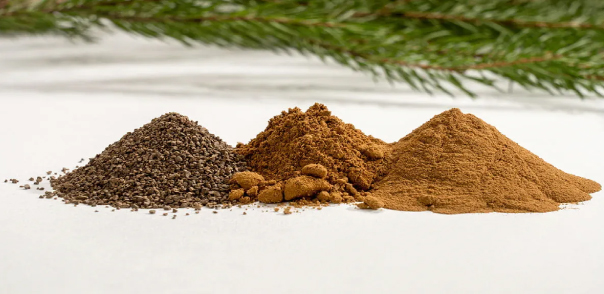
Organic binders like Lignosulphonate not only function well as binders for fertilizer products but also break down quickly. They further add micro-nutrients to the soil with the nutrition supplied by fertilisers. Lignosulphonate is a by-product of the paper pulp industry and is derived from the bark of the wood used in the paper-making production process. A natural product that benefits the granular fertiliser product beyond its use as a binder.